
Healthy hair growth is a common goal for people of all ages and genders. Hair is not only an important part of physical appearance but also a reflection of overall health and lifestyle. Factors such as nutrition, genetics, stress, hormonal balance, and hair care habits all play a vital role in determining hair strength, length, and thickness. While hair growth is a natural biological process, maintaining healthy hair requires consistent care and informed choices. In today’s fast paced world, problems such as hair fall, thinning, dandruff, and slow growth have become increasingly common. Pollution, poor diet, excessive heat styling, and chemical treatments further damage hair. This article provides a comprehensive guide to healthy hair growth, covering the science behind hair growth, nutrition, hair care routines, natural remedies, lifestyle habits, and common mistakes to avoid.
Understanding the Hair Growth Cycle
To promote healthy hair growth, it is essential to understand how hair grows.
Anagen Phase (Growth Phase):
This is the active growth phase, lasting between 2 to 7 years. During this time, hair follicles produce new hair cells, resulting in lengthening strands. The longer this phase lasts, the longer your hair can grow.
Catagen Phase (Transition Phase):
This short phase lasts about 2 to 3 weeks. Hair growth slows, and the follicle begins to shrink.
Telogen Phase (Resting Phase):
This phase lasts around 3 months. Hair does not grow, and eventually, old hair sheds to make room for new growth. Maintaining a healthy scalp and body can help extend the growth phase and reduce excessive hair fall.
Key Factors Affecting Hair Growth
Genetics:
Genetics largely determine hair type, thickness, and growth rate. While you cannot change your genes, proper care can maximize your hair’s potential.
Nutrition:
Hair follicles require nutrients to produce strong strands. Deficiencies in vitamins and minerals often lead to weak, brittle hair and hair loss.
Hormonal Balance:
Hormonal changes due to pregnancy, menopause, thyroid disorders, or stress can significantly impact hair growth.
Stress Levels:
Chronic stress can push hair follicles into the resting phase, causing excessive shedding.
Hair Care Practices:
Rough handling, tight hairstyles, frequent heat styling, and chemical treatments can damage hair and slow growth.
Nutrition for Healthy Hair Growth
A balanced diet is one of the most important foundations for healthy hair.
Protein:
Hair is primarily made of keratin, a protein. Inadequate protein intake can cause hair thinning and breakage.
-
Sources: Eggs, fish, chicken, beans, lentils, dairy products
Vitamins:
-
Vitamin A supports scalp health and sebum production.
-
Vitamin C aids collagen production and iron absorption.
-
Vitamin D helps activate hair follicles.
-
Vitamin E improves blood circulation to the scalp.
-
Biotin (Vitamin B7) strengthens hair and promotes growth.
Minerals:
-
Iron prevents hair thinning and hair loss.
-
Zinc supports tissue growth and repair.
-
Magnesium improves protein synthesis in hair follicles.
Healthy Fats:
Omega 3 fatty acids nourish hair and add shine.
-
Sources: Nuts, seeds, fatty fish, olive oil
Scalp Care for Better Hair Growth
A healthy scalp is essential for healthy hair.
Regular Cleansing:
Keeping the scalp clean removes dirt, oil, and product buildup that can clog hair follicles. Choose a mild, sulfate free shampoo suited to your hair type.
Scalp Massage:
Massaging the scalp for 5 10 minutes daily improves blood circulation, delivering more oxygen and nutrients to hair follicles.
Exfoliation:
Occasional scalp exfoliation removes dead skin cells and promotes a healthier environment for hair growth.
Hair Care Routine for Healthy Growth
Gentle Washing:
Wash hair 2 3 times a week, depending on your scalp type. Overwashing can strip natural oils, while underwashing may cause buildup.
Conditioning:
Always use conditioner after shampooing to keep hair soft, moisturized, and manageable.
Avoid Heat Damage:
Excessive use of hair dryers, straighteners, and curling irons weakens hair strands. Use heat protectant products and limit heat styling.
Proper Drying:
Avoid rubbing wet hair with a towel. Instead, gently pat dry or use a microfiber towel.
Trimming:
Regular trims every 6 8 weeks remove split ends and prevent breakage from traveling up the hair shaft.
Natural Remedies for Healthy Hair Growth
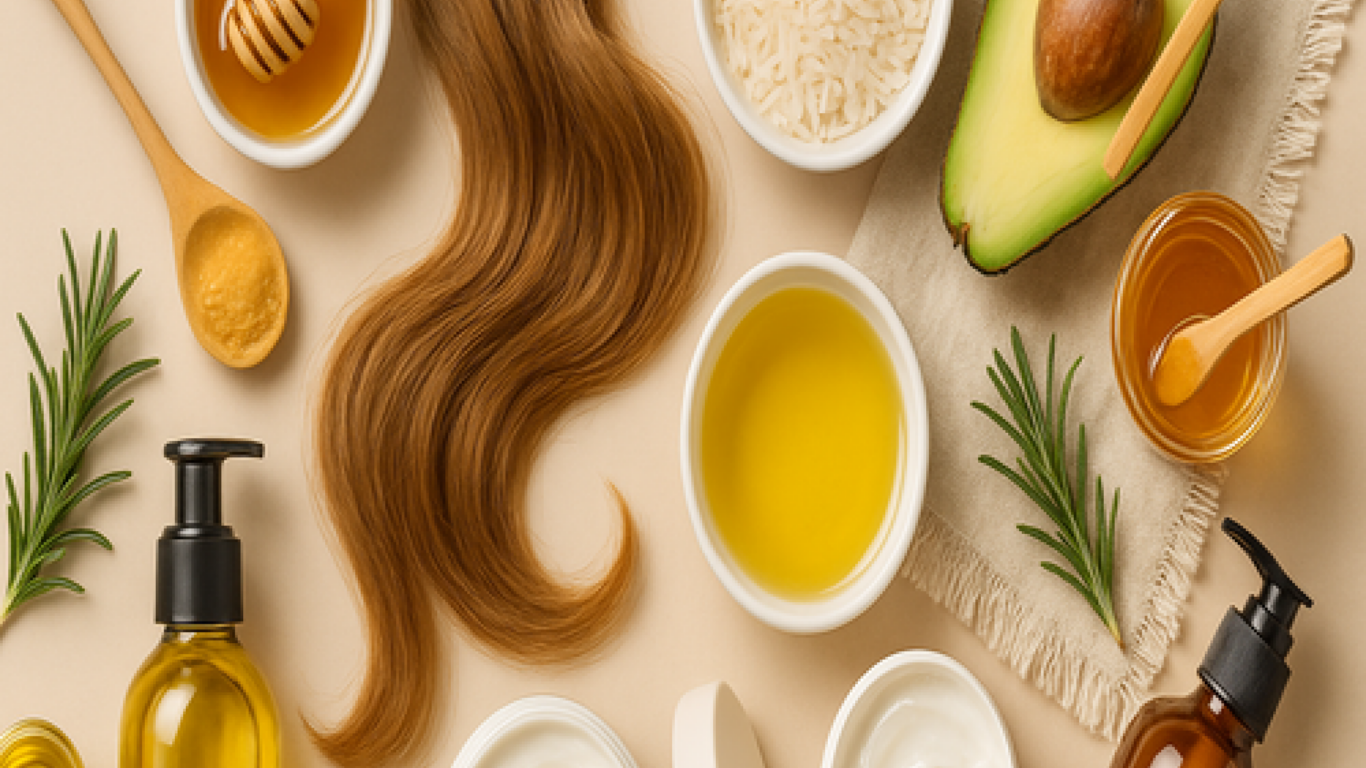
Coconut Oil:
Coconut oil penetrates the hair shaft, reducing protein loss and strengthening hair.
Castor Oil:
Rich in ricinoleic acid, castor oil improves scalp circulation and promotes thicker hair growth.
Aloe Vera:
Aloe vera soothes the scalp, reduces dandruff, and supports healthy hair follicles.
Onion Juice:
Onion juice contains sulfur, which boosts collagen production and improves hair regrowth.
Fenugreek Seeds:
Fenugreek seeds strengthen hair roots, reduce hair fall, and add shine.
Lifestyle Habits That Promote Hair Growth
Manage Stress:
Practices such as yoga, meditation, and deep breathing help reduce stress related hair loss.
Get Enough Sleep:
Sleep allows the body to repair itself, including hair follicles. Aim for 7 8 hours of quality sleep daily.
Stay Hydrated:
Drinking enough water keeps the scalp hydrated and prevents dry, brittle hair.
Exercise Regularly:
Physical activity improves blood circulation, ensuring better nutrient delivery to hair follicles.
Common Hair Growth Mistakes to Avoid
-
Using harsh chemical products
-
Brushing wet hair aggressively
-
Tight hairstyles that pull hair roots
-
Skipping meals or crash dieting
-
Ignoring scalp health
-
Overusing hair styling products
Avoiding these mistakes can significantly improve hair growth and overall hair health.
Hair Growth Supplements: Are They Necessary
Supplements can be helpful if you have nutrient deficiencies. However, they should not replace a balanced diet. Always consult a healthcare professional before starting any supplement to avoid overdosing or interactions.
When to Seek Professional Help
If you experience sudden hair loss, patchy bald spots, or excessive shedding that lasts more than a few months, consult a dermatologist or healthcare provider. Underlying medical conditions may require professional treatment.
Conclusion:
Healthy hair growth is the result of consistent care, proper nutrition, a healthy lifestyle, and patience. While there is no instant solution for long, thick hair, adopting the right habits can significantly improve hair strength, shine, and growth over time. Understanding your hair’s needs, treating it gently, and nourishing your body from within are the keys to achieving and maintaining beautiful, healthy hair.By making small but effective changes to your daily routine, you can support natural hair growth and enjoy strong, vibrant hair for years to come.more info…