
Women’s health is a broad and essential topic that covers physical, mental, emotional, and reproductive well being. Women experience unique health challenges throughout their lives, from adolescence and pregnancy to menopause and aging. Hormonal changes, lifestyle demands, stress, and nutritional needs all play a significant role in women’s overall health. Taking care of health is not just about treating illness; it is about prevention, awareness, and self care. By adopting healthy habits and staying informed, women can improve their quality of life and reduce the risk of many chronic diseases. This article provides comprehensive women health tips, focusing on nutrition, fitness, mental health, reproductive care, and lifestyle choices for long-term wellness.
Understanding Women’s Health Needs
Women’s bodies undergo various changes at different stages of life. These changes affect metabolism, bone density, mental health, and reproductive health. Understanding these unique needs helps women make better health decisions and seek timely medical care.
Key factors influencing women’s health include:
-
Hormonal fluctuations
-
Nutritional requirements
-
Emotional well being
-
Family and work responsibilities
-
Social and cultural expectations
Addressing these factors holistically leads to better health outcomes.
Balanced Nutrition for Women
Proper nutrition is the foundation of good health for women.
Essential Nutrients for Women:
Iron:
Women lose iron during menstruation, making iron deficiency common.
-
Sources: Spinach, red meat, beans, lentils, dates
Calcium and Vitamin D:
These nutrients are vital for bone health and help prevent osteoporosis.
-
Sources: Milk, yogurt, cheese, leafy greens, sunlight
Protein:
Protein supports muscle health, hormone production, and tissue repair.
-
Sources: Eggs, fish, chicken, legumes, nuts
Folate:
Folate is especially important for women of childbearing age.
-
Sources: Green vegetables, citrus fruits, whole grains
Healthy Eating Habits:
-
Eat a variety of fruits and vegetables
-
Limit processed and sugary foods
-
Control portion sizes
-
Drink plenty of water
Physical Activity and Fitness
Regular physical activity keeps the body strong and reduces the risk of chronic diseases.
Benefits of Exercise for Women:
-
Improves heart health
-
Strengthens bones and muscles
-
Helps maintain healthy weight
-
Reduces stress and anxiety
-
Balances hormones
Recommended Activities:
-
Walking or jogging
-
Yoga and Pilates
-
Strength training
-
Swimming or cycling
Aim for at least 30 minutes of moderate exercise most days of the week.
Reproductive and Hormonal Health
Reproductive health is a vital part of women’s overall well being.
Menstrual Health:
-
Maintain a balanced diet
-
Track menstrual cycles
-
Manage pain with gentle exercise and hydration
-
Seek medical advice for irregular or painful periods
Pregnancy and Maternal Health:
-
Attend regular prenatal checkups
-
Eat nutrient rich foods
-
Avoid smoking and alcohol
-
Get adequate rest
Menopause Care:
-
Stay physically active
-
Consume calcium rich foods
-
Practice stress management
-
Consult a doctor for severe symptoms
Mental and Emotional Well Being
Mental health is just as important as physical health.
Managing Stress:
Women often juggle multiple responsibilities, increasing stress levels.
-
Practice meditation or deep breathing
-
Take breaks and prioritize self care
-
Maintain social connections
Emotional Health:
-
Express feelings openly
-
Seek support from family or friends
-
Avoid self-neglect
When to Seek Help:
Persistent sadness, anxiety, mood swings, or sleep problems should not be ignored. Professional support can make a significant difference.
Sleep and Rest:
Adequate sleep is essential for hormone regulation and energy levels.
Tips for Better Sleep:
-
Maintain a regular sleep schedule
-
Avoid screens before bedtime
-
Create a calm sleep environment
-
Limit caffeine intake in the evening
Women should aim for 7 8 hours of quality sleep every night.
Preventive Health Care for Women
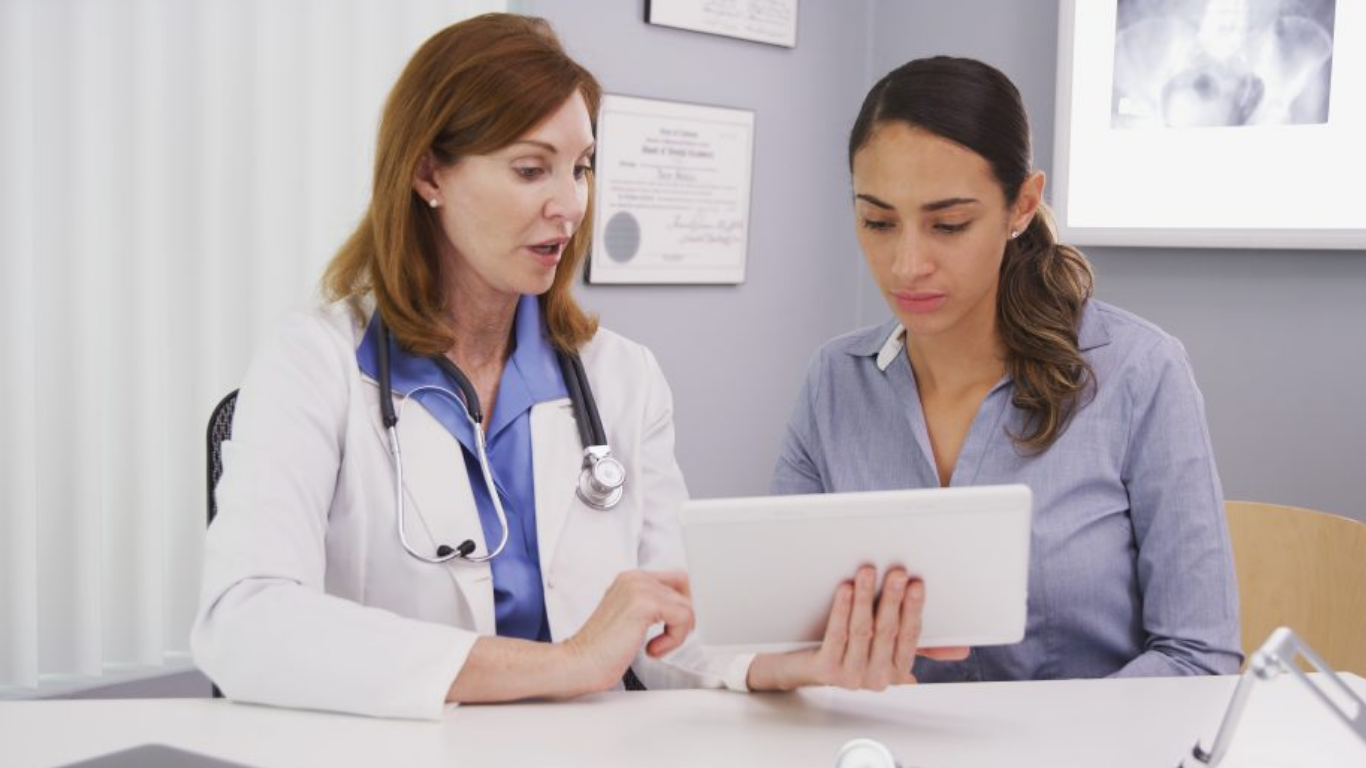
Prevention is key to long term health.
Regular Health Screenings:
-
Blood pressure and cholesterol checks
-
Breast self-exams and mammograms
-
Pap smears and cervical cancer screenings
-
Bone density tests
Vaccinations:
Stay updated on recommended vaccines to protect against preventable diseases.
Personal Hygiene:
Good hygiene helps prevent infections and promotes overall health.
Skin, Hair, and Personal Care
Women’s health also includes taking care of skin and hair.
-
Use gentle, skin type appropriate products
-
Protect skin from sun damage
-
Maintain scalp health
-
Avoid excessive chemical treatments
Healthy skin and hair often reflect internal health.
Lifestyle Habits for Healthy Living
Avoid Harmful Habits:
-
Do not smoke
-
Limit alcohol consumption
-
Avoid substance abuse
Maintain Healthy Relationships:
Positive relationships support emotional health and reduce stress.
Work Life Balance:
Setting boundaries between work and personal life is essential for mental well being.
Common Health Issues in Women
Some health conditions are more common in women:
-
Anemia
-
Thyroid disorders
-
Polycystic Ovary Syndrome (PCOS)
-
Osteoporosis
-
Depression and anxiety
Early diagnosis and proper management help prevent complications.
Importance of Self Care
Self-care is not selfish; it is necessary. Women often prioritize others’ needs over their own, leading to burnout. Taking time for yourself improves both physical and emotional health.
Self care activities include:
-
Relaxation
-
Hobbies
-
Physical activity
-
Regular health checkups
When to Consult a Doctor
Women should seek medical advice if they experience:
-
Unusual pain or fatigue
-
Irregular menstrual cycles
-
Sudden weight changes
-
Persistent mental health issues
Early consultation ensures timely treatment and peace of mind.
Conclusion:
Women’s health is a lifelong journey that requires awareness, balance, and proactive care. By adopting healthy eating habits, staying active, managing stress, prioritizing mental health, and seeking preventive medical care, women can lead healthier and more fulfilling lives. Every woman deserves to feel strong, confident, and healthy at every stage of life. Small daily choices, when practiced consistently, can lead to long-term wellness. Investing in women’s health is not only beneficial for individuals but also for families and communities as a whole. more info…