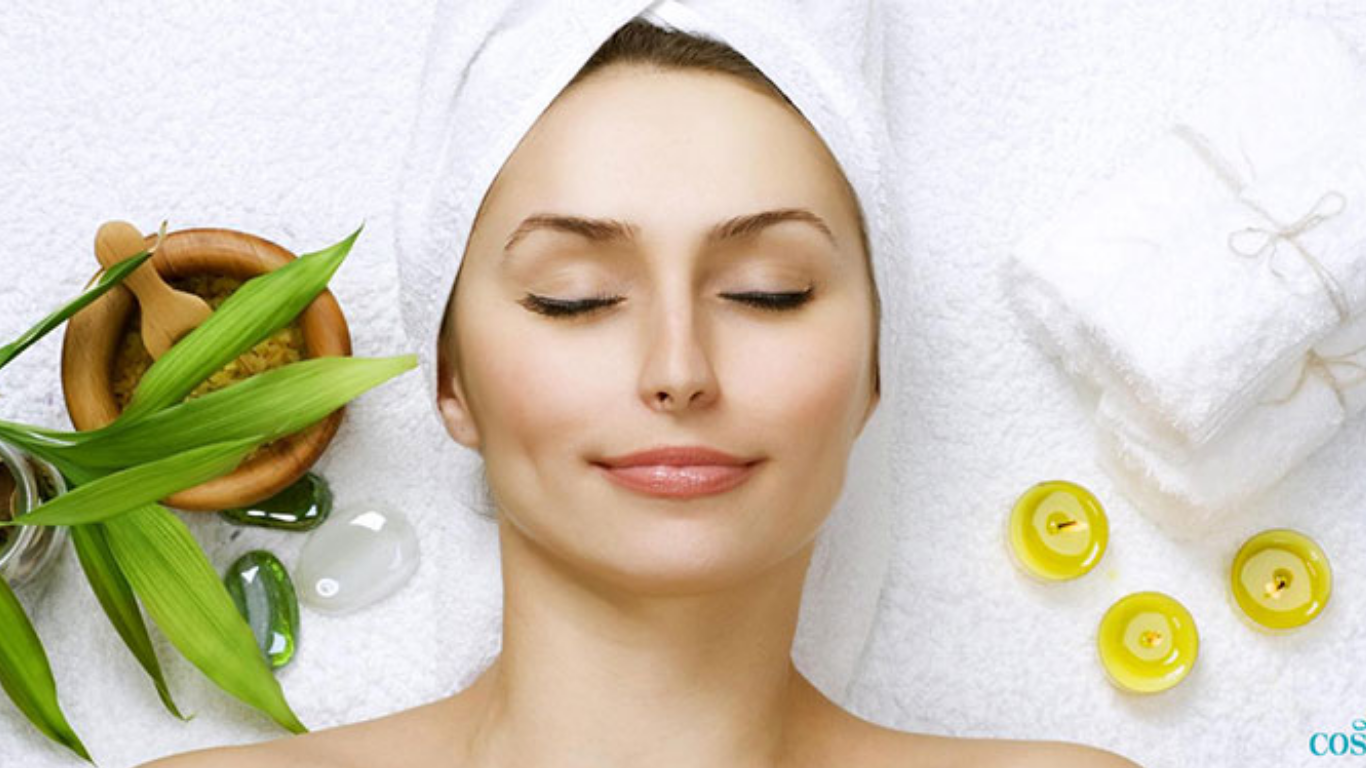
Healthy glowing skin is not only a sign of beauty but also an indicator of overall health and well being. The skin is the body’s largest organ, acting as a protective barrier against environmental pollutants, harmful bacteria, and ultraviolet (UV) radiation. However, factors such as stress, pollution, poor diet, lack of sleep, and improper skin care can damage the skin and lead to issues like acne, dryness, premature aging, and pigmentation. A good skin care routine does not require expensive products or complicated steps. Instead, it involves understanding your skin type, following healthy lifestyle habits, and using the right products consistently. This article provides a comprehensive guide to skin care tips, covering daily routines, natural remedies, nutrition, lifestyle habits, and common mistakes to help you achieve and maintain healthy skin.
Understanding Your Skin Type
Knowing your skin type is the foundation of an effective skin care routine.
Normal Skin:
Normal skin is balanced, neither too oily nor too dry. It has a smooth texture and minimal imperfections.
Dry Skin:
Dry skin often feels tight and may appear flaky or dull. It needs extra hydration and gentle products.
Oily Skin:
Oily skin produces excess sebum, leading to shine, enlarged pores, and frequent breakouts.
Combination Skin:
Combination skin has both oily and dry areas, typically oily in the T zone (forehead, nose, chin) and dry on the cheeks.
Sensitive Skin:
Sensitive skin reacts easily to products, weather changes, and environmental factors, causing redness or irritation. Choosing products according to your skin type helps prevent irritation and improves results.
Daily Skin Care Routine
A consistent daily routine is essential for healthy skin.
Cleansing:
Cleansing removes dirt, oil, makeup, and impurities from the skin. Wash your face twice daily using a gentle cleanser suitable for your skin type. Avoid harsh soaps, as they can strip the skin of natural oils.
Toning:
Toners help balance the skin’s pH level and tighten pores. Choose alcohol free toners to prevent dryness and irritation.
Moisturizing:
Moisturizers hydrate the skin and strengthen its natural barrier. Even oily skin needs moisturizing use a lightweight, oil free formula.
Sun Protection:
Daily use of sunscreen is one of the most important skin care tips. Apply a broad spectrum sunscreen with SPF 30 or higher to protect against UV damage, premature aging, and skin cancer.
Weekly Skin Care Practices
Exfoliation:
Exfoliating 1 2 times a week removes dead skin cells, unclogs pores, and promotes cell renewal. Over exfoliation can cause irritation, so moderation is key.
Face Masks:
Face masks provide deep nourishment and address specific skin concerns such as hydration, acne, or dullness. Choose masks based on your skin needs.
Natural Skin Care Tips
Natural ingredients can be effective and gentle on the skin.
Aloe Vera:
Aloe vera soothes irritation, hydrates the skin, and promotes healing. It is suitable for all skin types.
Honey:
Honey has antibacterial and moisturizing properties. It helps reduce acne and adds natural glow.
Turmeric:
Turmeric contains antioxidants and anti inflammatory compounds that brighten skin and reduce pigmentation.
Coconut Oil:
Coconut oil provides deep moisture and strengthens the skin barrier. It is best for dry skin and should be avoided on acne-prone skin.
Rose Water:
Rose water refreshes the skin, reduces redness, and maintains hydration.
Nutrition for Healthy Skin

What you eat directly affects your skin’s health.
Hydration:
Drink at least 8 glasses of water daily to keep your skin hydrated and flush out toxins.
Vitamins and Minerals:
-
Vitamin C boosts collagen production and brightens skin.
-
Vitamin E protects against free radical damage.
-
Vitamin A supports skin cell renewal.
-
Zinc helps control acne and inflammation.
Healthy Fats:
Omega-3 fatty acids found in fish, nuts, and seeds keep skin supple and reduce inflammation.
Fruits and Vegetables:
Fresh fruits and vegetables provide antioxidants that protect the skin from damage and aging.
Lifestyle Habits for Better Skin
Get Enough Sleep:
Sleep allows the skin to repair and regenerate. Aim for 7 8 hours of quality sleep each night.
Manage Stress:
Stress can trigger acne, eczema, and premature aging. Practice relaxation techniques such as meditation or yoga.
Exercise Regularly:
Exercise improves blood circulation, delivering oxygen and nutrients to the skin, resulting in a healthy glow.
Avoid Smoking and Excess Alcohol:
Smoking accelerates aging and dulls the skin, while excessive alcohol dehydrates the body and skin.
Skin Care Tips for Different Skin Concerns
Acne Prone Skin:
-
Cleanse regularly with a gentle cleanser
-
Avoid touching or picking pimples
-
Use non-comedogenic products
Dry Skin:
-
Use rich moisturizers
-
Avoid hot showers
-
Apply moisturizer immediately after washing
Aging Skin:
-
Use products with antioxidants and retinol
-
Never skip sunscreen
-
Maintain hydration and nutrition
Sensitive Skin:
-
Patch test new products
-
Avoid fragrances and harsh chemicals
-
Use soothing ingredients like chamomile
Common Skin Care Mistakes to Avoid
-
Skipping sunscreen
-
Overwashing the face
-
Using too many products at once
-
Sleeping with makeup on
-
Ignoring neck and hands
-
Not removing makeup properly
Avoiding these mistakes can greatly improve skin health and appearance.
Importance of Consistency in Skin Care
Skin care is not about instant results. Consistency is key to seeing long term improvements. Sticking to a simple, effective routine is better than frequently changing products.
When to Consult a Dermatologist
If you experience persistent skin problems such as severe acne, eczema, unusual rashes, or sudden changes in your skin, consult a dermatologist. Professional advice ensures proper diagnosis and treatment.
Conclusion:
Healthy skin is achieved through a combination of proper skin care, balanced nutrition, healthy lifestyle habits, and patience. By understanding your skin type and following the right skin care tips consistently, you can protect your skin from damage and maintain a radiant, youthful appearance. Remember, true beauty comes from within. Taking care of your skin is not just about appearance it is an essential part of overall health and self-care. With the right approach, anyone can enjoy clear, glowing, and healthy skin at any age. more info…